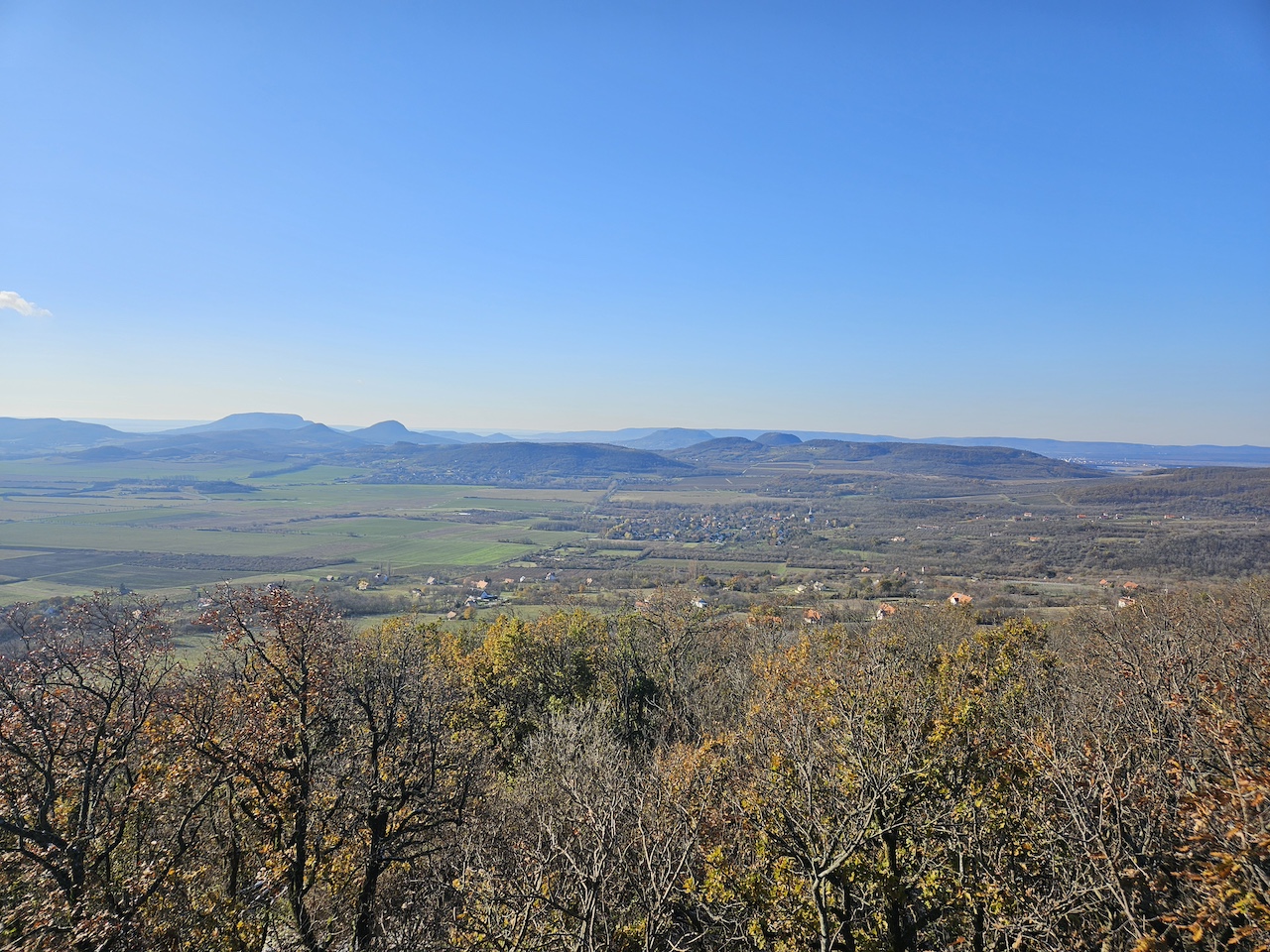
Undoubtedly, from the Eötvös Károly Lookout on Fekete Hill in Balatonhenye we can admire the most beautiful and complete panorama of the Káli Basin. Tiny lakes of the basin sparkle in the distance, and Lake Balaton itself is also part of the view.
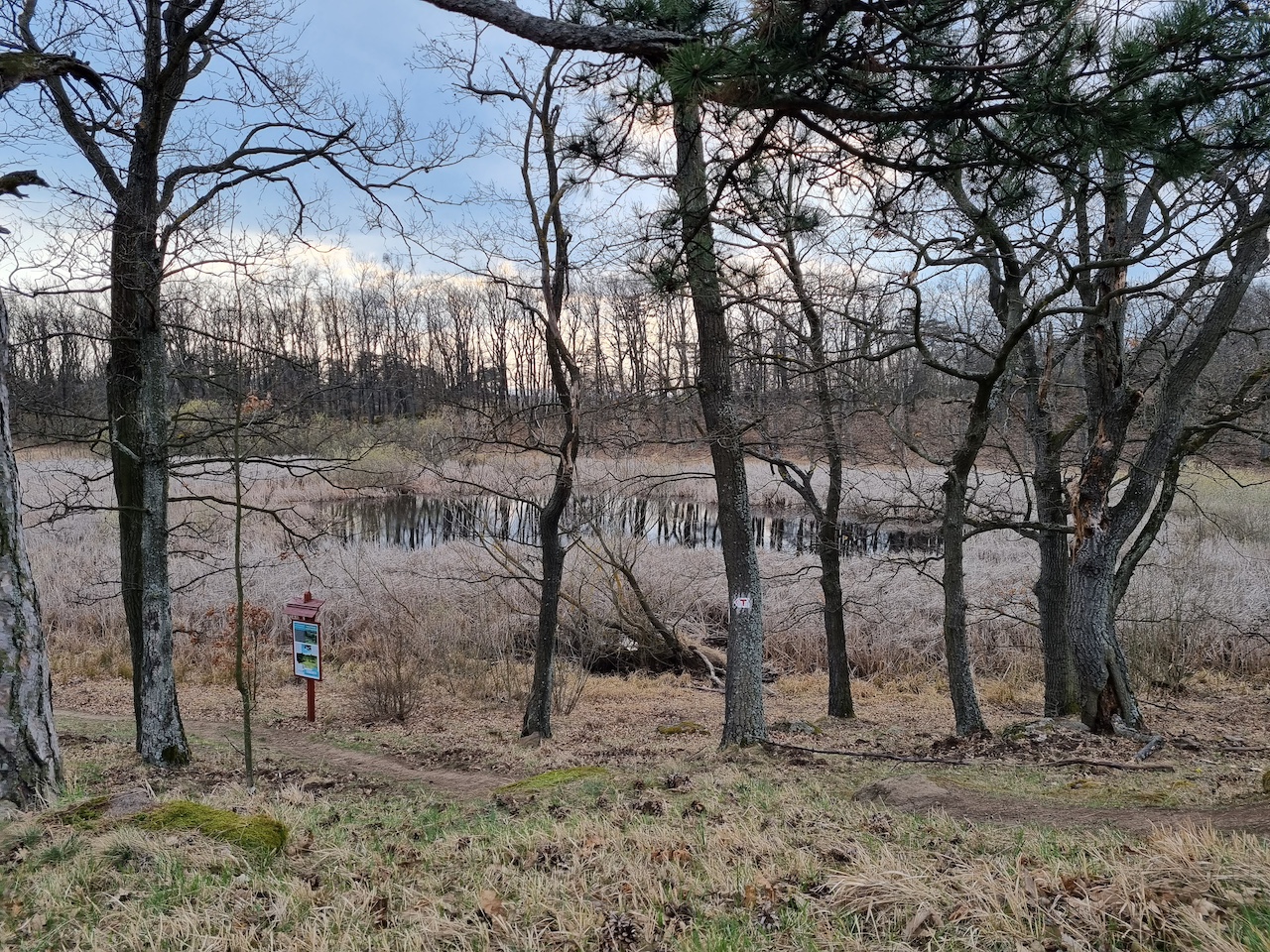
Several mountain lakes can be found in the area. These small, closed basins are known as “stone bowls” or crater lakes. They were formed at the same time as the basalt lava cover—wherever old depressions existed in the bedrock, the lava could not always fill them completely. Most lakes only fill with water during the wet season, and even then they often appear as shallow reed-covered marshes or peat bogs. Examples include Bika Lake, Bontató, Barkás Lake, Monostori Lake, Kálomis Lake, and Kettős Lake.
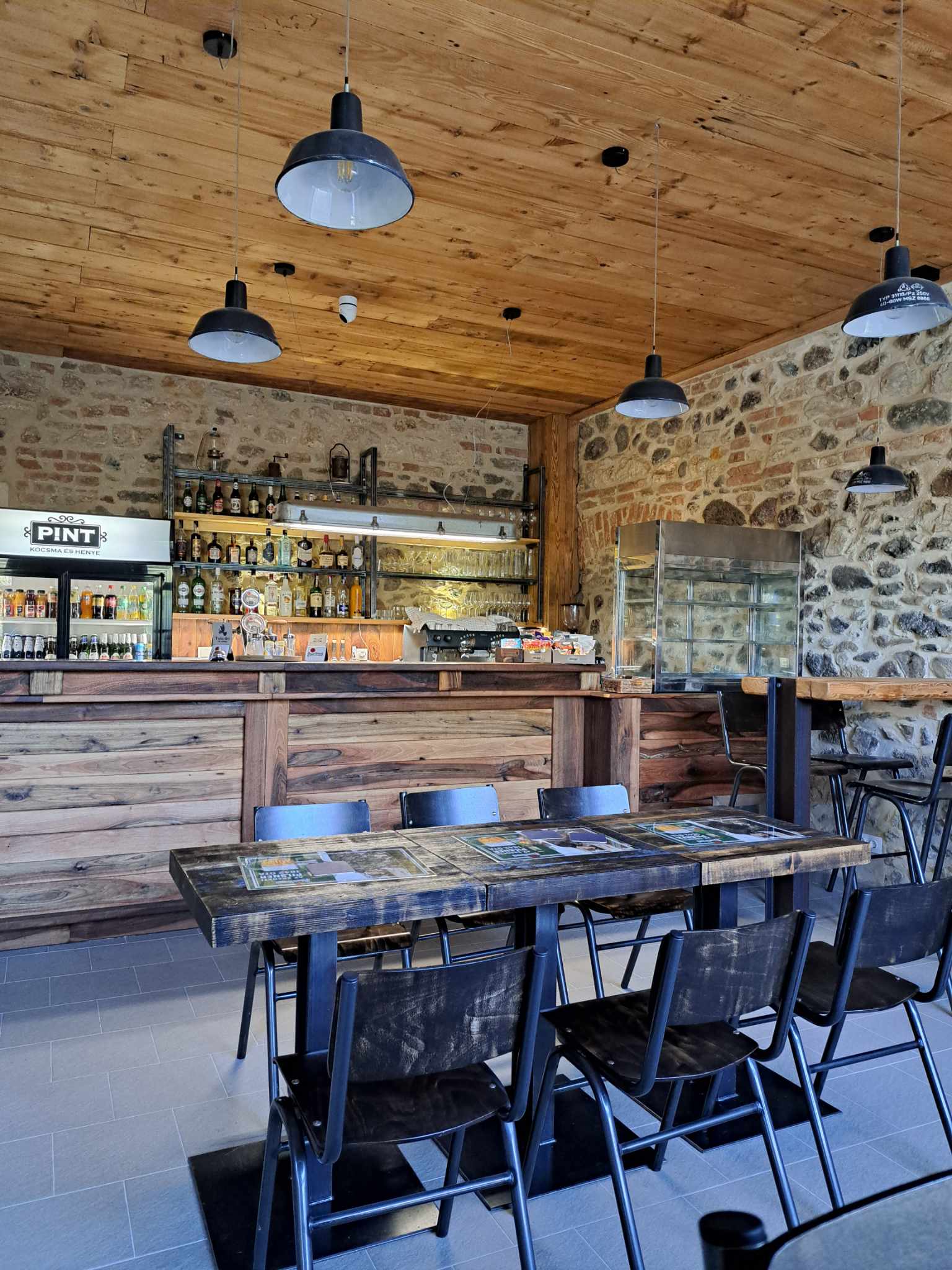
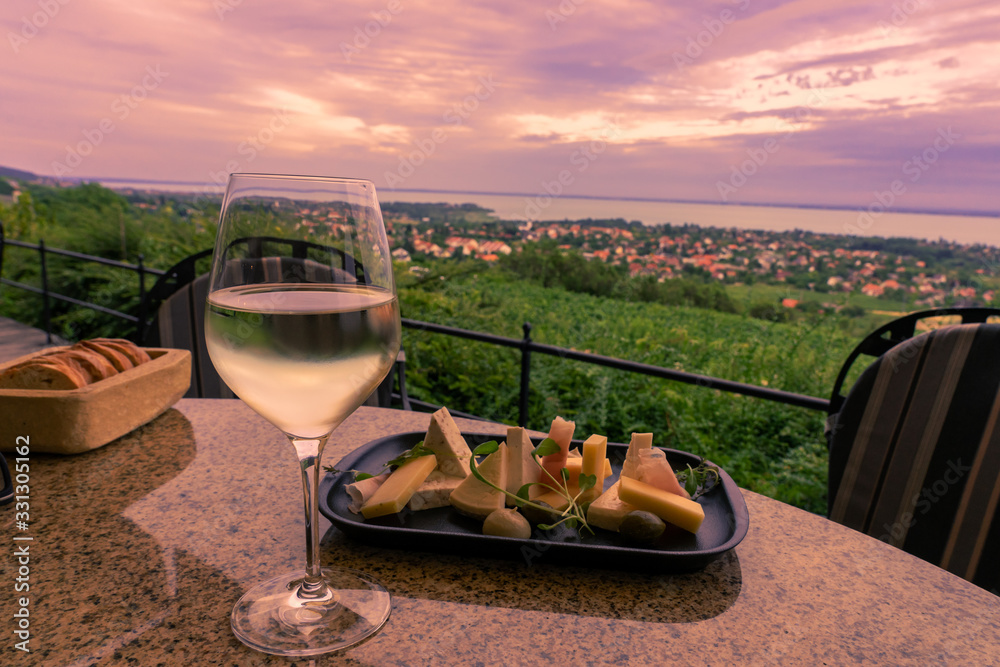
“The gastronomy village”: Köveskál offers many restaurants and wine cellars, each with a unique atmosphere where local flavors and excellent wines are in perfect harmony. A few highlights: Káli Kövek Winery, Kővirág Restaurant, Magazin Gallery, Mi A Kő Restaurant, Pálffy Winery...
The eastern gate of the Káli Basin is nothing less than solidified basalt lava in the chimney of a volcano active millions of years ago. Due to quarrying, the northern half disappeared, exposing the basalt columns. The Hegyestű Geological Site introduces the geography of the region.
The village is bordered on the west by Öreg Hill, whose highest point, the 330 m Kopasz Hill, offers a wonderful view of the entire Káli Basin. Southeast of the village stands the ruin of the medieval church of the former settlement of Kerekikál at the foot of the volcanic Kereki Hill. The village also hosts the region’s most popular ice cream shop, “Kő fagyi,” and the well-known eatery Káli Kapocs.
This village, famous nationwide for its mineral water, lies in the heart of the Káli Basin near Salföld. It is a one-street settlement with a distinctive character. The mineral water bottling plant and public water source immediately catch the eye. According to legend, this mineral water was Empress Theodora’s favorite drink. Bottling began in the early 1900s.
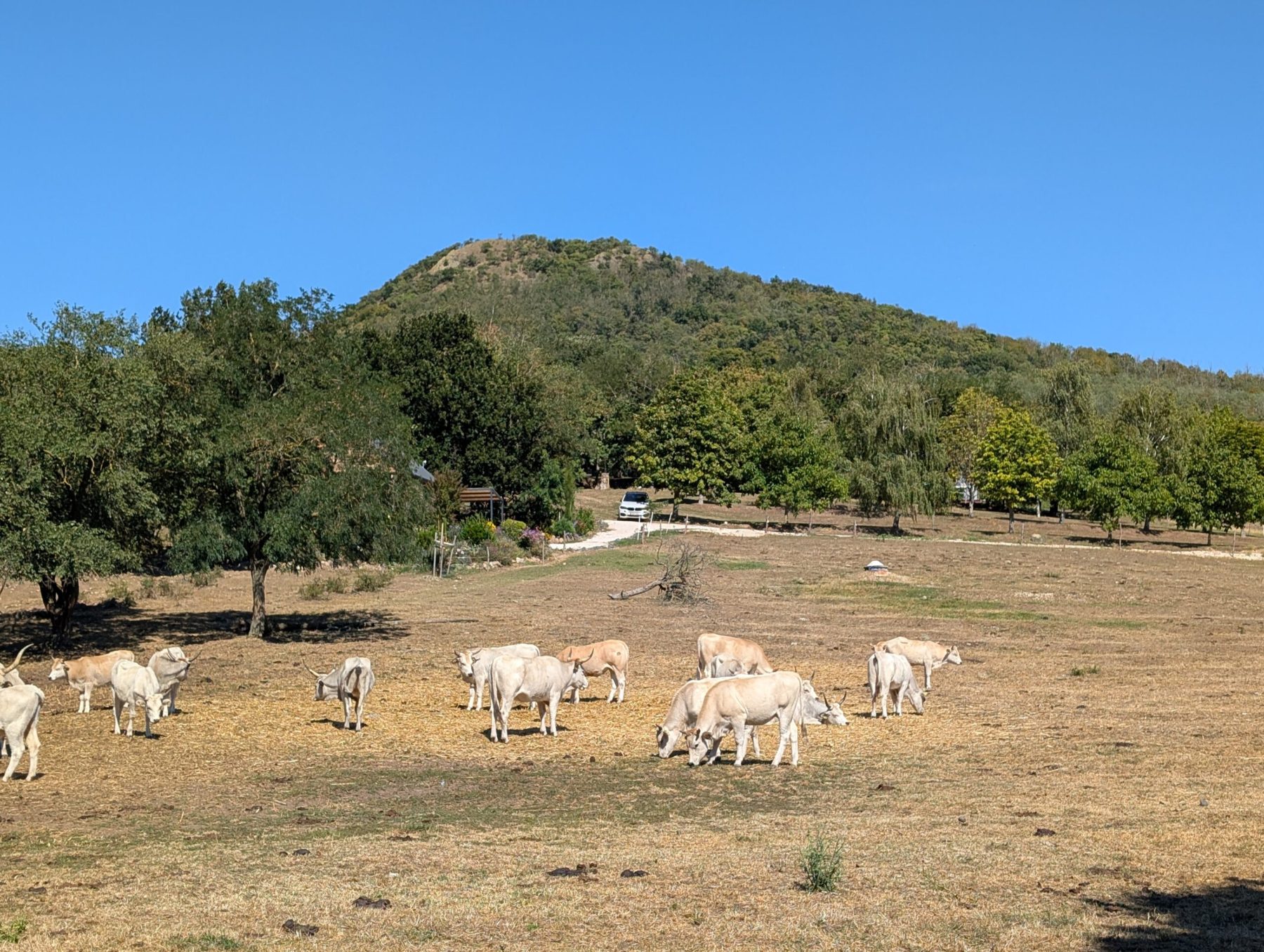
One of the most beautiful villages of the Balaton Uplands. Worth visiting are the Pauline Monastery ruins and the Salföld Major (farm), established by the Balaton Uplands National Park to showcase traditional farming life. Visitors can see Hungarian breeds such as racka sheep, mangalica pigs, buffalo, grey cattle, poultry, shepherd dogs, ponies, and horses.
The smaller sibling of Gulács Hill, its peak is 46 m lower. Its bare summit offers a full panoramic view of the Tapolca Basin. Though hiking trails lead here, it remains relatively undiscovered by tourists.
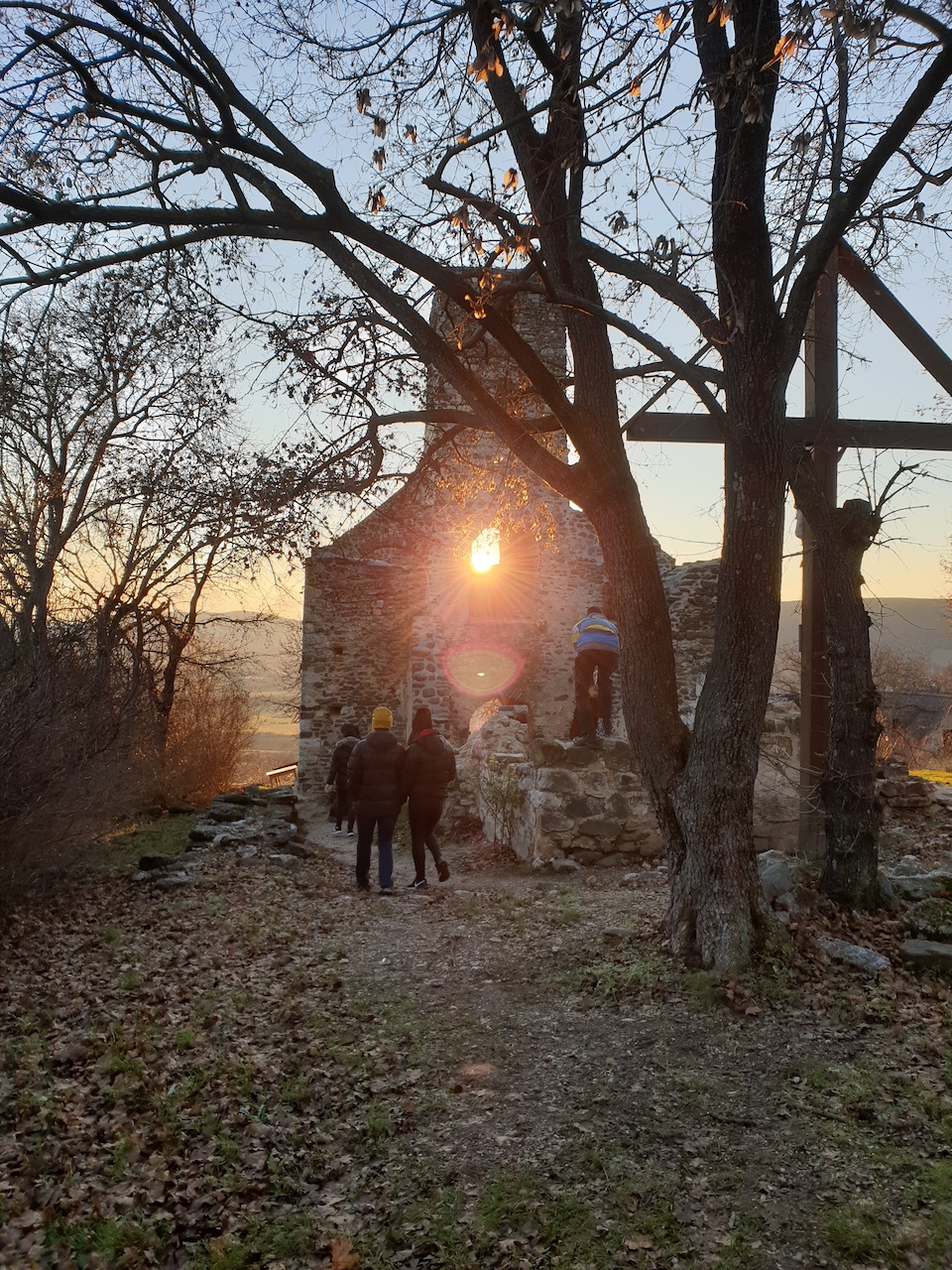
St. Blaise Church Ruins: Hidden among the vineyards of the Nivegy Valley’s eastern slopes, the ruins of this Árpád-era church reward visitors with a breathtaking view when stepping out of the west-facing gate between two fig trees.
Washhouse Spring: Named after the women who once came here to wash and rinse clothes. The spring lies in a vaulted cellar, providing cool refreshment even on hot summer days.
Kossuth Lookout and Volcano Nature Trail: The original tower was built in 1962 between Dörgicse and Mencshely; the current one opened in 2015. At 399 m, it is the highest point in the area, offering one of the most beautiful panoramas of the Balaton Uplands. The educational trail tells the story of the hill.
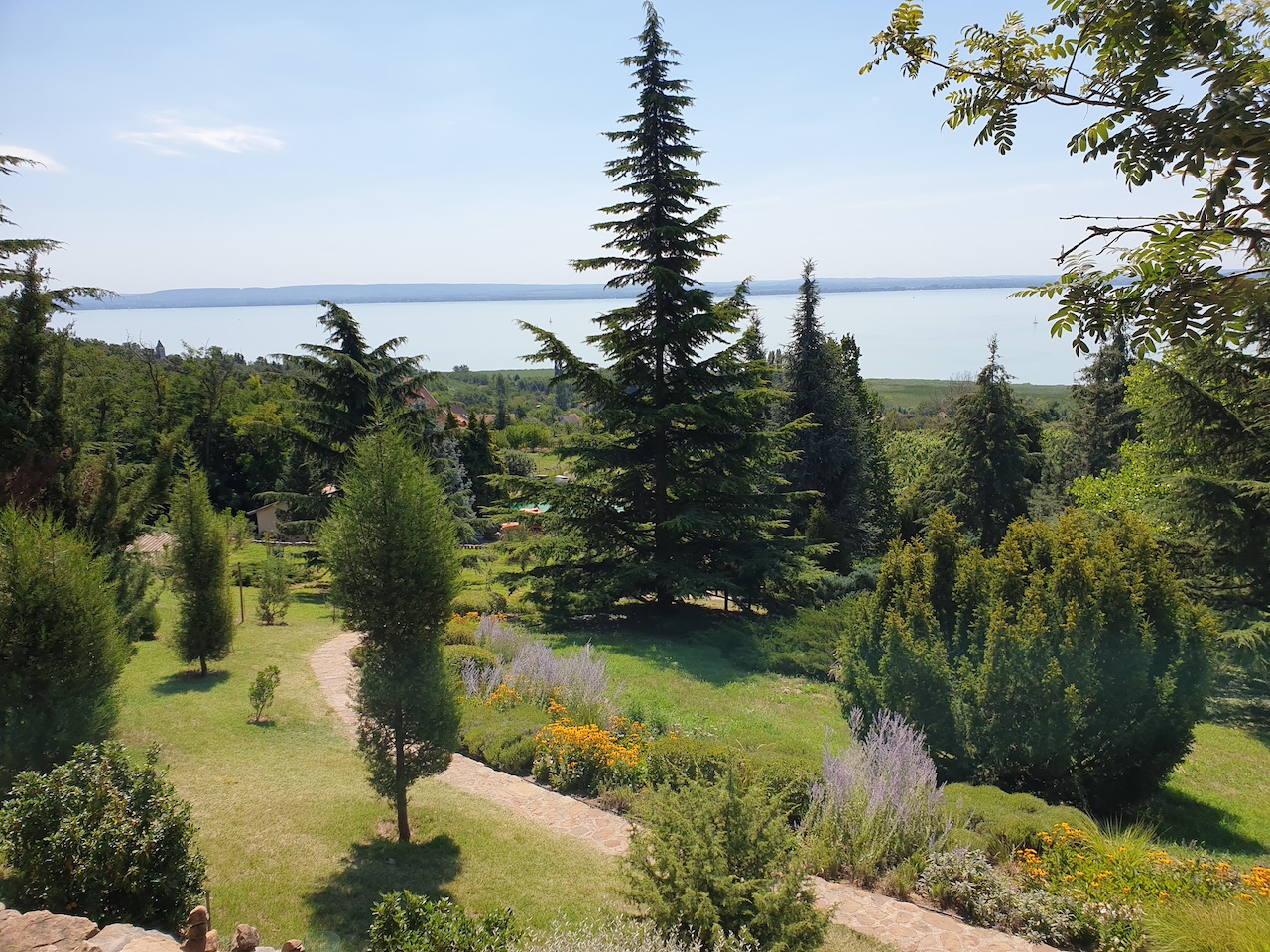
Above Badacsonyörs, just a few streets from Lake Balaton, lies the arboretum founded in the early 20th century by Dr. Gyula Folly. Today it is still maintained and expanded by the family, now in its fourth generation. It features rare cedars and cypresses, a restaurant, and a winery.
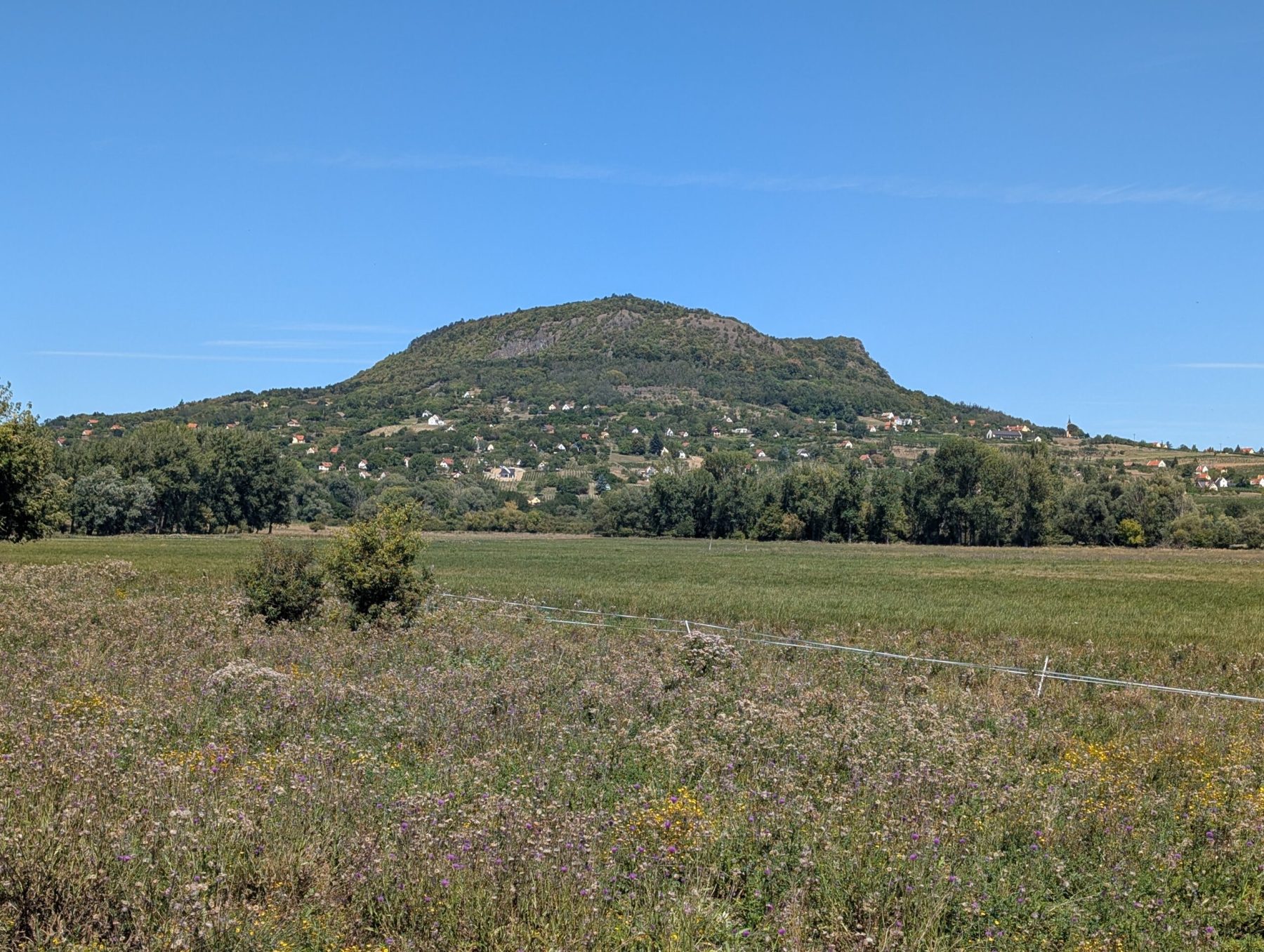
One of the conical witness hills of the Balaton Uplands, Gulács is the tallest of its kind. Less popular than some others, it offers wilder hiking paths, smaller basalt columns, and stunning views.
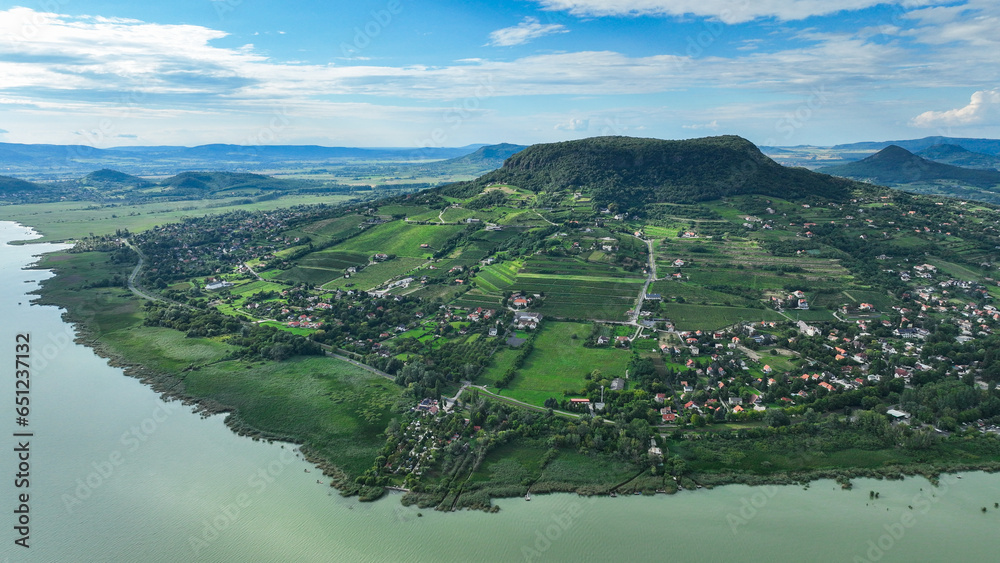
The “prince of witness hills”—the highest, best known, and most spectacular due to its proximity to the lake. Its name is inseparably linked with ancient viticulture, but it is also a prime hiking destination.
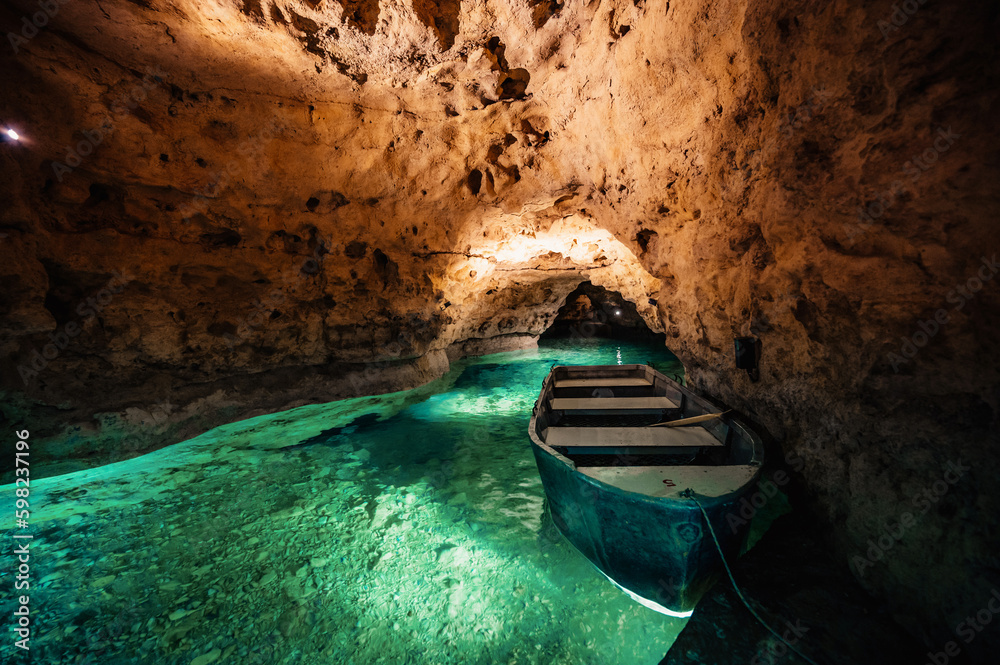
A charming town where the Bakony meets the Balaton Uplands. Its uniqueness lies in the Lake Cave and the picturesque Mill Pond. Exploring the cave by boat on crystal-clear water is unforgettable. The promenade around the pond offers relaxation under plane trees.
Located at the northeastern end of the Tapolca Basin, Csobánc offers unparalleled views of the witness hills, Lake Balaton, and the Káli Basin. Its flat top makes it a paragliding paradise.
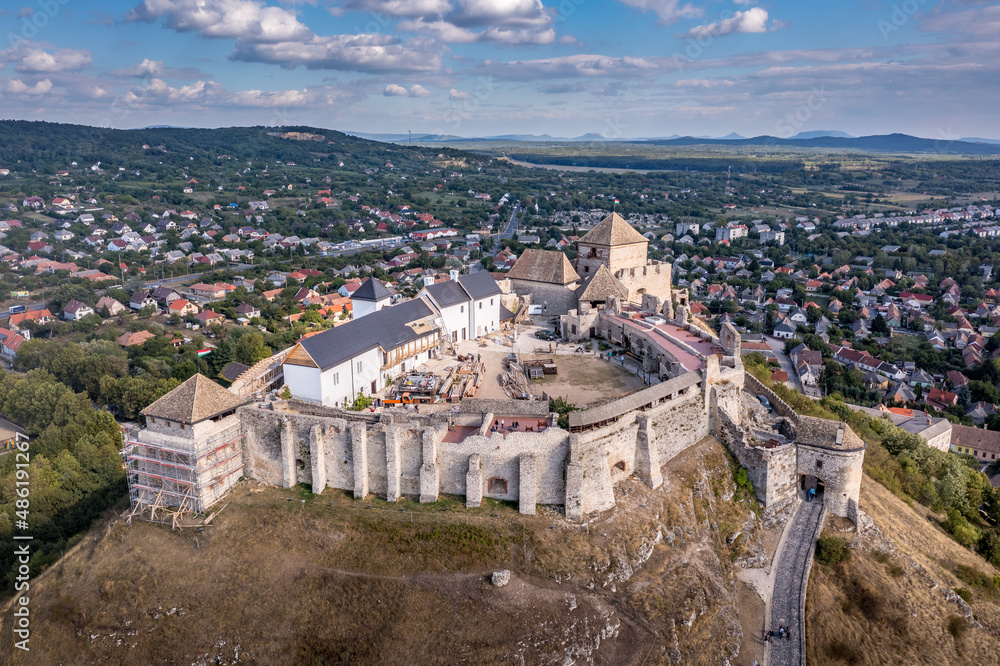
Built after the Mongol invasion in the 13th century by the Pannonhalma Abbey. It never fell into Turkish hands. Struck by lightning in 1697, it burned down. Today it is one of Hungary’s most attractive sights, with breathtaking views.
The youngest and northernmost of the Tapolca Basin’s witness hills. Quarrying in the 20th century removed much of its interior, leaving it deformed. Once coffin-shaped like Badacsony, it has lost its original form.
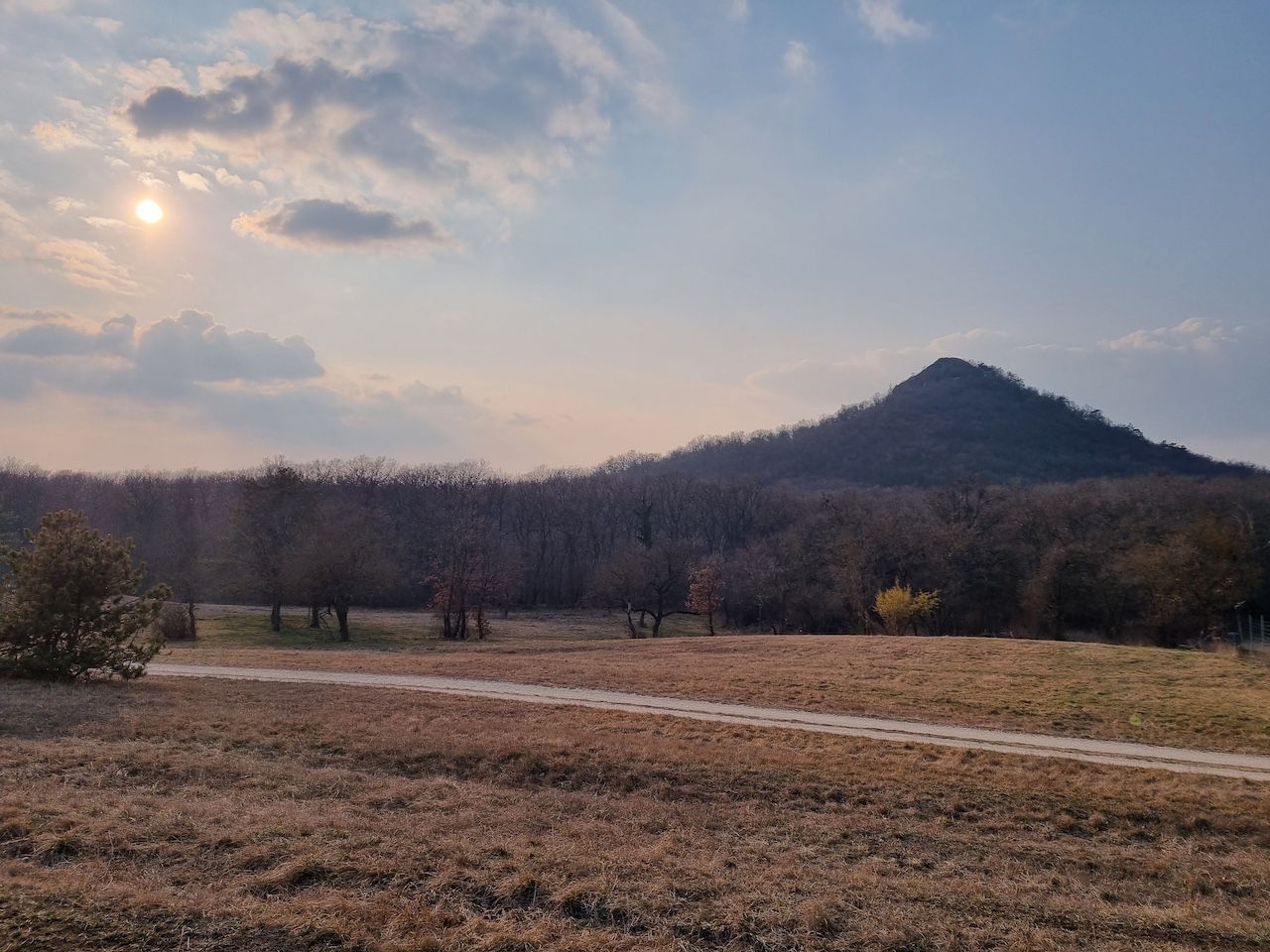
One of the smallest conical volcanic witness hills. Less known, yet its summit has a hiking path and even castle ruins. Best accessed from the village of the same name.
This peninsula offers countless attractions: Inner Lake, ground squirrel reserve, Watchtower Lookout, geyser cones, lavender fields, the “House of Scents,” Rege confectionery, Echo restaurant, and much more. Its famous abbey overlooks Lake Balaton, and the Saturday craft and farmers’ market adds to the charm.
One of the oldest and most popular resorts on Lake Balaton’s northern shore. Famous for its historic atmosphere, healing waters, and vibrant cultural life. Highlights include the Tagore Promenade, the Round Church, and the Jókai Memorial House. Perfect for sailing, gastronomy, and relaxation.
A picturesque small town with one of Hungary’s best-preserved medieval castles. The fortress hosts knightly games, historical reenactments, and festivals, making it a must for history and culture lovers.
Home to the world’s largest natural thermal lake suitable for bathing, with year-round pleasant temperatures. Its healing properties make Hévíz a centuries-old spa destination. Visitors enjoy wellness services, cultural programs, and excursions in the surroundings.
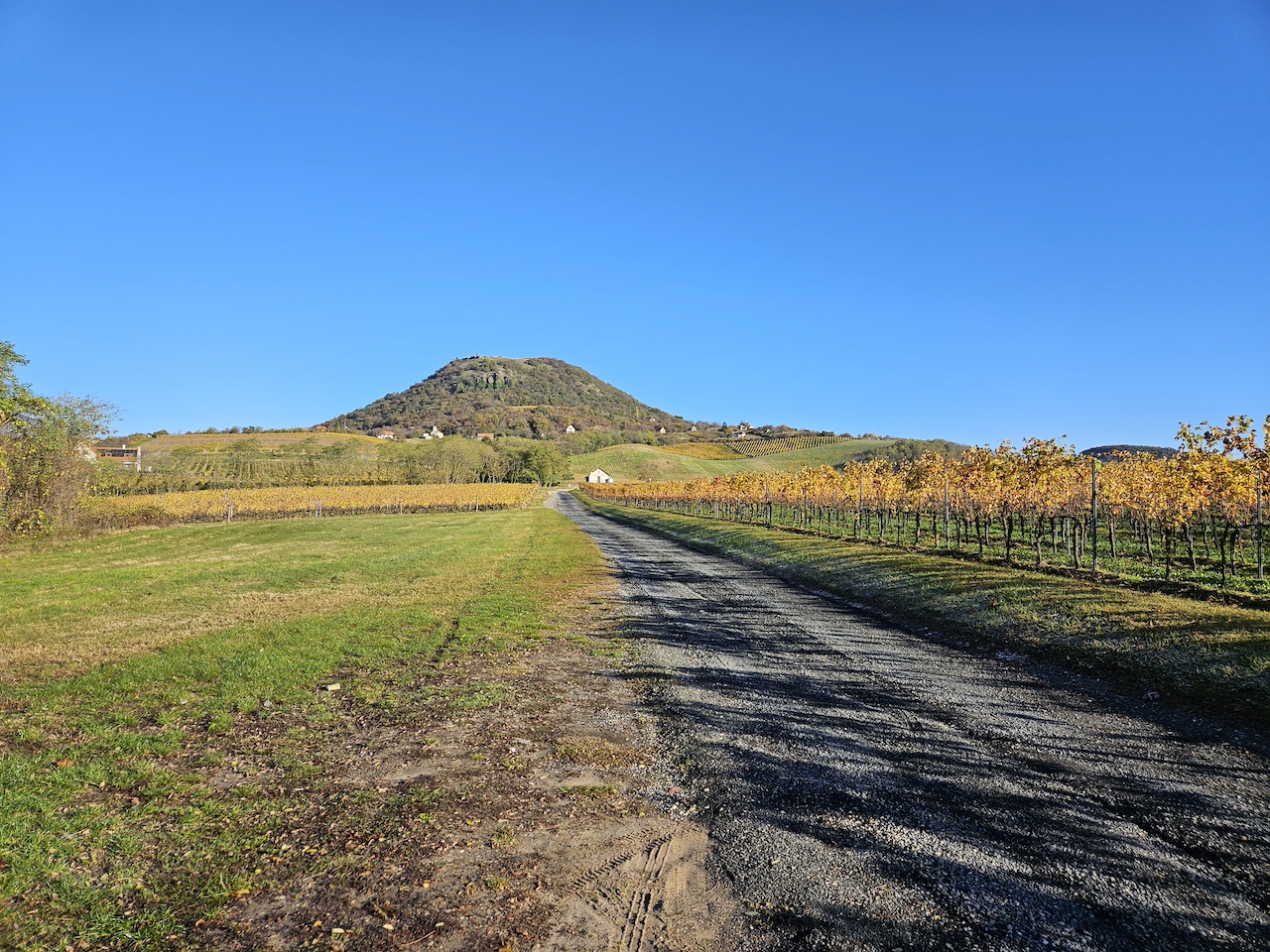
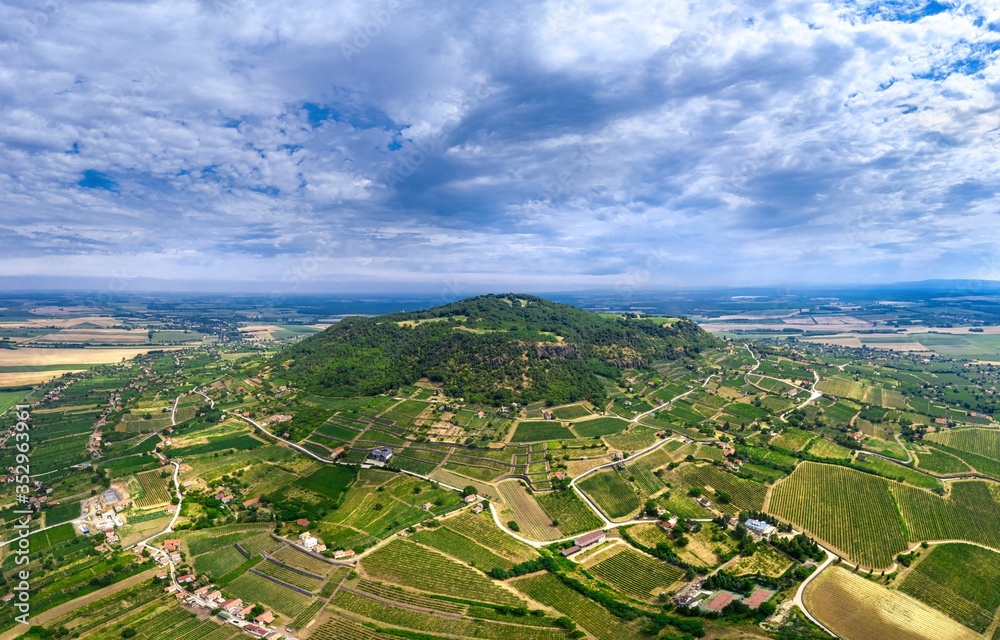
The northernmost of the Balaton Uplands’ witness hills. This coffin-shaped volcanic hill dominates the landscape. Around it lies Hungary’s smallest historic wine region, home of the famous Somlói Juhfark, also called “the wedding night wine.”